

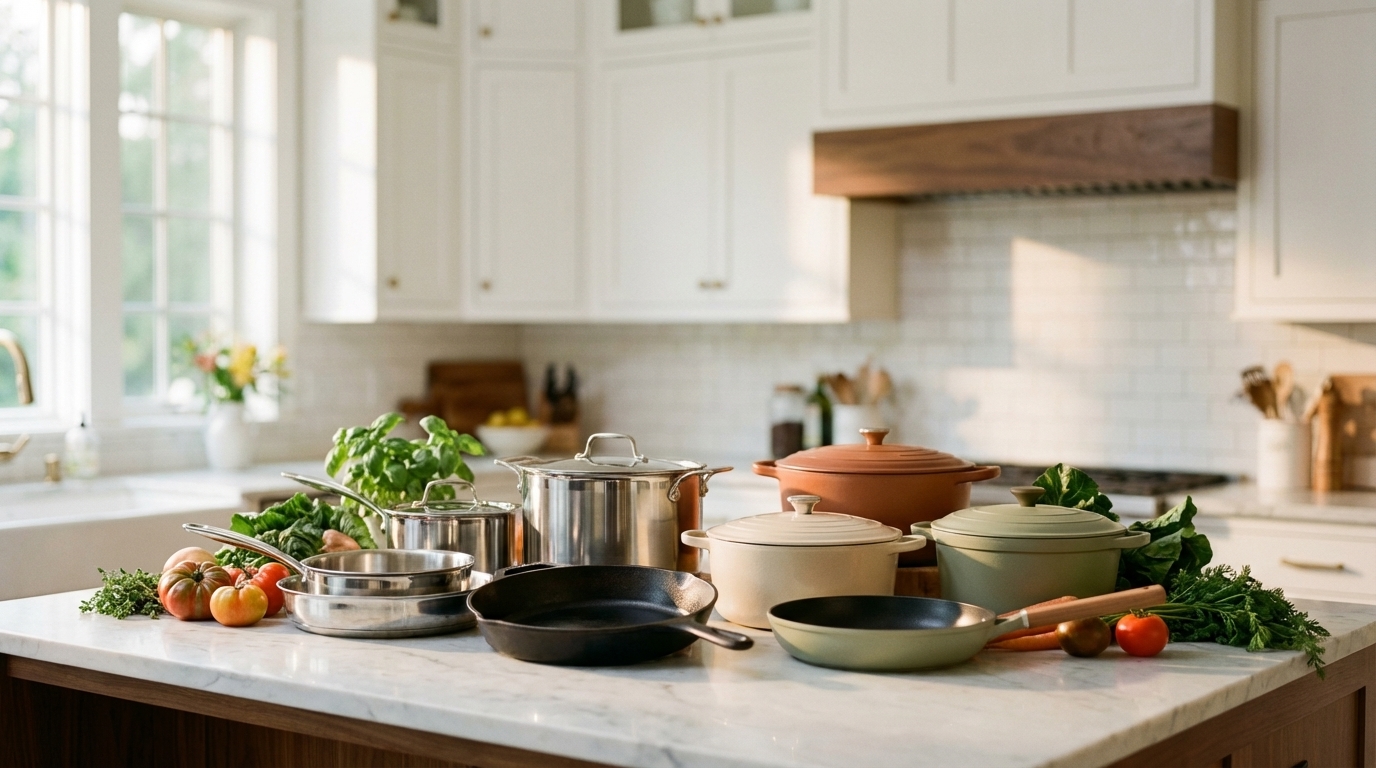
"Clean cookware" means pots and pans that are completely free of PFAS "forever chemicals," and this article arms you with everything you need to spot, buy, and care for them so you can cook without ingesting toxins linked to cancer, liver damage, and immune suppression. You'll learn why PFAS-free labels beat the outdated "PFOA-free" claim, how to verify safety through third-party testing or quick home checks, and which materials--stainless steel, cast iron, carbon steel, ceramic, and enameled cookware--deliver non-stick performance without hazardous coatings. Beyond health, the piece explains how PFAS pollute water and persist indefinitely in the environment, then walks you through proper seasoning, gentle cleaning, smart storage, and timely retirement of each material so your investment stays safe and eco-friendly for decades.
Defining Clean Cookware: What the Term Really Means
Choosing PFAS-free cookware--like stainless steel, cast iron, or verified ceramic--cuts your exposure to "forever chemicals" linked to cancer, liver damage, and immune problems while preventing these persistent pollutants from entering your food and the environment.
Chemical-Free Materials and the Clean Cookware Meaning
When we talk about "clean cookware," we're referring to pots and pans made without PFAS--a group of over 12,000 synthetic chemicals commonly found in traditional nonstick coatings [1]. You might recognize names like PTFE (Teflon) or PFOA, though manufacturers have introduced newer variations like GenX compounds that raise similar health concerns [1].
The good news? You have excellent alternatives that perform beautifully without synthetic coatings.
Why PFAS-Free Matters for Health and the Environment
Understanding why PFAS-free cookware matters helps you make informed choices for your kitchen. Research has connected these chemicals to several health concerns, including certain cancers, liver issues, elevated cholesterol, and immune system challenges [4][5][6]. The International Agency for Research on Cancer specifically classifies PFOA--once common in nonstick manufacturing--as a possible carcinogen [5]. Here's how exposure happens in your kitchen: When nonstick pans get damaged or overheated, they can release PFAS into your food [4].
Even careful cooking isn't foolproof--recent UNC Chapel Hill research discovered that people who eat more packaged foods show higher PFAS levels, highlighting how widespread these chemicals have become in our food system [4]. Add to that the estimated 143 million Americans with PFAS-detectable tap water, and you can see why choosing your cookware wisely matters [4]. The environmental picture is equally important. PTFE-coated pans create PFAS pollution at every stage--manufacturing, daily use, and eventual disposal [5].
These "forever chemicals" earned their nickname because they don't break down naturally, persisting in soil and water indefinitely [5][6]. By choosing PFAS-free options like stainless steel, cast iron, or verified ceramic cookware, you're taking practical action. While systemic change requires industry and regulatory shifts, your cookware choices help reduce demand for these problematic chemicals while creating a safer cooking environment at home [4][6].
Key Materials That Meet Clean Cookware Standards
Stainless steel, cast iron, carbon steel, and ceramic coatings give you safe, high-performance cookware that needs only heat and a dab of oil to stay naturally nonstick--no PFAS or mystery chemicals required.
Stainless Steel, Cast Iron, and Carbon Steel Options
Let's explore the truly clean cookware materials that keep harmful chemicals out of your kitchen. Starting with stainless steel--it's completely non-reactive with food and built to last. While brand-new stainless steel pans may release tiny amounts of nickel and chromium, this stops after about six cooking cycles, making them safe even if you're sensitive to these metals [7]. What makes stainless steel especially appealing is its excellent heat distribution without any synthetic coatings [8]. Here's a pro tip: preheat your stainless steel pan before adding oil, and you'll create a naturally nonstick surface that rivals any coating [8].
Cast iron takes a different approach to clean cooking--it actually gets better the more you use it. Through proper seasoning, cast iron develops its own natural nonstick surface from polymerized oils, no chemicals needed [9]. This time-tested material does more than just cook your food safely; it can actually boost your iron intake, which is helpful if you're dealing with iron deficiency [7][9]. Cast iron handles blazing-hot temperatures without breaking a sweat (or releasing toxins) and distributes heat beautifully [9]. Just remember to go easy on acidic foods like tomato sauce--extended cooking can strip the seasoning and increase iron transfer [7][9].
Carbon steel brings together the best of both worlds. It's lighter and more responsive than cast iron but still builds that same wonderful seasoning over time [8][9]. Made simply from iron and carbon--no harmful chemicals in sight--it delivers impressive cooking performance without the health concerns of traditional nonstick [8][9]. Once you've seasoned your
Ceramic and Enamel-Coated Choices Without Harmful Coatings
Now let's talk about ceramic and enamel options, which offer nonstick convenience without the concerning chemicals. Ceramic-coated cookware achieves its slick surface through a sol-gel siloxane polymer structure--basically a sand-based coating that's PFAS-free. These pans let you cook with less oil and handle higher heat (up to 550 degreesF) than traditional nonstick [10]. Yes, ceramic coatings contain trace metals like titanium and iron, sometimes barium or chromium, but independent testing shows these don't leach into food during normal cooking [11]. When shopping for ceramic cookware, make sure it explicitly states it's free from PFAS, PTFE, lead, and cadmium.
Look for brands that have undergone third-party testing--their ceramic surfaces should handle eggs and delicate foods beautifully without any toxic fumes [10][11]. Keep in mind that ceramic coatings need gentle handling. Skip the metal utensils and extreme heat to avoid scratches that could expose the aluminum base underneath [11]. Enameled cast iron offers a different approach--combining cast iron's incredible heat retention with a glass-like coating that never needs seasoning. This coating is fired at extremely high temperatures, creating a much stronger bond than typical nonstick surfaces [12].
Quality enameled cookware can handle temperatures up to 900 degreesF and provides a completely non-reactive cooking surface [10]. The enamel layer stands up to metal utensils better than ceramic nonstick, though you'll want to verify that any brand you consider has been tested for heavy metals in their glazes [11]. Look for companies with strong safety testing protocols to ensure their products are free from lead and cadmium [11]. Yes, enameled cookware is heavy, but its versatility--from stovetop searing to slow braising in the oven--makes it a kitchen workhorse worth its weight.
How to Verify Your Cookware Is Truly Clean
Look past "PFOA-free" hype and demand "PFAS-free" labels plus third-party lab certificates, then do a 15-minute distilled-water taste test or a 24-hour vinegar soak to spot leaching metals before your next sauté.
Reading Labels and Certifications for Clean Cookware Meaning
Shopping for truly clean cookware can feel overwhelming with all the labels and claims, but knowing what to look for makes it straightforward. Here's what those labels really mean: "PFOA-free" doesn't tell you much anymore since PFOA was banned in 2016--every pan is now PFOA-free by default [1]. What you want to see instead is "PFAS-free" or "PTFE-free," which means the cookware is free from the entire family of these chemicals, not just one [1].
Watch out for fancy coating names that sound technical--manufacturers sometimes rebrand PTFE with proprietary names while highlighting "PFOA-free" to seem safer than they are [1]. The brands you can trust provide third-party testing from accredited labs like SGS or TUV [1]. Some display California Prop 65 certification, showing they're free from over 800 compounds linked to cancer or reproductive harm [1].
The most transparent companies--like those committed to complete disclosure--provide detailed information about their materials, manufacturing processes, and regular testing results on their websites. They welcome customer questions and are forthcoming about exactly what's in their products. [1]
Testing for Heavy Metals and Coating Residues at Home
You don't need a chemistry degree to check if your cookware is safe--here are some simple tests you can do at home. For aluminum pots, try this: boil distilled water for 15 minutes, then taste it alongside fresh distilled water. Notice a difference? That could indicate leaching [15]. With copper or unlined aluminum pieces, add 1-2 tablespoons of white vinegar or lemon juice and let it sit for 24 hours. Any color changes suggest the metal is reacting with the acid [15].
For glazed or vintage ceramic cookware, grab a home lead test kit from your hardware store. These strips turn red or pink if lead is present [15]. Just keep in mind that while these tests are helpful starting points, they're not foolproof--home kits might miss low levels of heavy metals or give false alarms, and they only test the surface [15]. If you want complete peace of mind, professional testing is your best bet. FDA-approved labs and specialized services like NPAL can analyze both your cookware and food cooked in it [15]. This is especially worth considering for cherished hand-me-downs or thrift store finds.
Found something concerning? Please don't donate that cookware--you'd just be passing the problem to someone else. Recycle it or repurpose it for non-food uses like planters [15]. And remember, even tested cookware needs regular inspection. Watch for chips, cracks, or worn spots that could expose what's underneath [15].
Maintaining Clean Cookware for Longevity
Treat each pan to its own simple ritual--soap-free scrub for cast iron, baking-soda paste for stainless, microfiber swipes for ceramic--and you'll keep every piece sliding, searing and shining for decades.
Cleaning Practices That Preserve Chemical-Free Surfaces
Let's break down the best cleaning methods for each type of clean cookware--because proper care keeps your pans performing their best for years. Stainless steel is wonderfully low-maintenance. Simply wash with hot water, dish soap, and a soft cloth for daily cleaning [16]. Got stubborn stains? Mix baking soda with vinegar to create a gentle paste, or use a sand-free scouring cream for discoloration [18]. Just remember: never use chlorine-based cleaners, which can damage the steel's protective layer [18]. Cast iron needs a bit more TLC. Clean it while it's still warm using hot water and a stiff nylon brush--skip the soap to preserve that hard-earned seasoning [16].
For stuck-on food, kosher salt works as a natural scrubber when paired with a sponge or bristle brush [16]. Always dry thoroughly and apply a thin layer of oil to keep rust at bay [17]. Carbon steel follows similar rules to cast iron when cleaning. Clean with hot water and a soft sponge, avoiding soap to maintain the seasoning that creates its natural nonstick surface [16]. The better you maintain that seasoning, the better your eggs will slide right off. Ceramic-coated cookware loves a gentle touch. Warm soapy water and a microfiber cloth work wonders--that microfiber really grabs every last bit of residue [18]. Avoid metal utensils, steel wool, or harsh cleaners that could scratch the coating [17]. Enameled cast iron is the easiest of the bunch.
Its glass-like surface handles hot water, regular dish soap, and a dishwashing brush with ease. For stubborn bits, just boil some water in the pot to loosen them up [18]. Pro tip: Always let your cookware cool before washing to prevent warping from thermal shock [17]. And while dishwashers might save time, hand-washing extends the life of your cookware--especially those ceramic coatings that can suffer from harsh dishwasher detergents [17].
Storage Tips to Prevent Contamination and Extend Life
Smart storage is just as important as proper cleaning--it protects your investment and keeps your cookware safe for cooking. Stack with care. Always place something soft between your pans when nesting them. Pan protectors, dish towels, or even paper towels work great to prevent scratches. This is especially crucial for ceramic-coated pieces, where scratches can compromise the coating [19]. Keep it dry. Cast iron and carbon steel need extra attention here. Make sure they're bone dry before storing, and maintain that thin protective oil layer to ward off rust [21]. Stainless steel is more forgiving but still appreciates a dry home away from harsh cleaning chemicals [21]. Regular check-ups matter. Give your cookware a quick inspection now and then.
Scratches, chips, or worn spots aren't just cosmetic issues--damaged surfaces are more likely to release unwanted materials [20]. Think of it like checking your car's tires for wear. Handle glass with care. If you have glass baking dishes, store them where they won't get knocked around. Sudden impacts or temperature swings can create tiny cracks that trap bacteria [21]. Know when to say goodbye. Here's the hard truth: damaged cookware shouldn't be donated or passed along. Those scratches and worn coatings that concern you will affect the next user too [19]. When it's time to retire a pan, look into proper disposal or recycling options in your area.
This is particularly important for older nonstick cookware, as improper disposal can release harmful compounds into the environment [20]. The bottom line? Treat your clean cookware with respect, and it'll return the favor with years of safe, effective cooking.
Putting Clean Cookware Meaning Into Everyday Cooking
Treat every pot and pan you wash as the first, most flavorful ingredient in tonight's dinner--because spotless cookware is what lets true taste, fuel efficiency, and food safety shine through every bite you cook.
- PFAS-free cookware avoids 12,000+ chemicals linked to cancer and immune harm.
- Stainless steel, cast iron, carbon steel, and certified ceramic are safest materials.
- Look for 'PFAS-free' or 'PTFE-free,' not just the outdated 'PFOA-free' claim.
- Use home vinegar or lead-test kits to screen metals; lab testing gives full safety.
- Hand-wash, dry thoroughly, and stack with soft liners to extend cookware life.
- Retire chipped or scratched pans; recycle or repurpose them to avoid passing hazards.
- https://www.organicauthority.com/organic-food-recipes/non-toxic-cookware-brands-to-keep-chemicals-out-of-your-food
- https://www.bonappetit.com/story/the-best-nontoxic-cookware-tested-by-our-experts?srsltid=AfmBOopygZpRA8NiQ1boIuaK80URT72N1bDhgIQ55xZbcPz6C7seeaHF
- https://www.cupindy.com/blogs/info/non-toxic-cookware-guide?srsltid=AfmBOorbQc3eK-C0mmjY9_9gpvtXTbPuQlNCxHXHNSpkU1SZ4OQMo0mh
- https://www.northcarolinahealthnews.org/2025/10/27/unc-study-food-processing-cookware-packaging-to-pfas-exposure/
- https://www.ecocenter.org/our-work/healthy-stuff-lab/reports/whats-cooking/undisclosed-pfas-coatings-common
- https://www.sfenvironment.org/should-i-be-concerned-about-using-non-stick-cookware
- https://nutritionfacts.org/blog/is-stainless-steel-or-cast-iron-cookware-best-is-teflon-safe/
- https://www.seriouseats.com/best-non-toxic-cookware-7553352
- https://nephcure.org/safe-kitchen-choices-a-comprehensive-guide-to-non-toxic-cookware/
- https://www.foodandwine.com/lifestyle/kitchen/best-non-toxic-cookware
- https://www.mychemicalfreehouse.net/2024/08/affordable-non-toxic-cookware-free-of-lead-cadmium-nano-metals-etc.html
- https://www.cupindy.com/blogs/info/non-toxic-cookware-guide?srsltid=AfmBOooZkXINlifVkHikzYTvO5pSKw__FMBC4YqmwDxQwci0UlgQFkmE
- https://www.thegoodtrade.com/features/nontoxic-cookware/
- https://gimmethegoodstuff.org/blogs/guides-and-product-reviews/2024-safe-non-toxic-cookware-guide?srsltid=AfmBOooIGLjq3vAu3OAPQj04skwNFyRyBby3u02qWO77flhGx2PvSHB5
- https://www.leafscore.com/eco-friendly-kitchen-products/cookware/test-cookware/
- https://www.whirlpool.com/blog/kitchen/how-to-clean-pots-and-pans.html
- https://goop.com/food/tutorials/cookware-guide/?srsltid=AfmBOopi_8fqrDH8_otS_pqrzwlO2qgRTsEXqI8x_sFmHjMMQEqY2-3_
- https://www.pfannenprofis.com/en/pages/kochgeschirr-reinigen?srsltid=AfmBOopXeNoBt-Nyf8L7whK3JAUkifNOD7jbUvR7_enRitGjBWgs22H0
- https://www.consumerreports.org/toxic-chemicals-substances/you-cant-always-trust-claims-on-non-toxic-cookware-a4849321487/
- https://www.consumernotice.org/environmental/water-contamination/pfas/cookware/
- https://www.ruanliving.com/blog/safest-pots-and-pans-to-cook-with